

They knew exactly what they wanted.
I had helped this couple purchase their dream home twenty-five years earlier. Now they were back, referred by a neighbor whose basement I had finished ten years before. They had plans. They had a budget. They had already started the process once and put it on hold when life got in the way.
Now they said they were ready.
If I had been any other Contractor, we would have been signing contracts and scheduling work. Everything seemed straightforward. They only had a few changes to the plans they already had.
I explained that I loved that they had most of the planning done. But that my process is a little different. Instead of going straight to contract, let’s take a step back. Review the plans in hand. Make sure the goals hadn’t changed.
Three meetings to make sure we were on the same page was all I asked.
I noticed a look between them. The kind that says maybe we should tell the whole story.
That’s when everything changed.
They were asking the wrong questions and that mistake could have cost them a $200,000. Basement in the wrong house.
Maybe they would have gotten to the answer eventually, but it would have been thousands of dollars spent on a project retainer; plans and decisions that would never get built. Time and money they couldn’t get back.
The urgency behind the basement finishing project was her mother. Her health was failing. Assisted living wouldn’t work. She needed her own space where they could be close and help without losing the independence that mattered so much to her.
If you’ve ever had a loved one needing daily support, you understand. They want their independence even when daily life has gotten too hard. Stairs, a hard no. Living on the upper levels would put too much stress on the family relationship. They had landed on the basement.
Except the basement had no windows. No separate entrance. No natural light.
The plans they had were for teenage kids to hang out. Not a living space for an aging parent.
They didn’t need a Contractor, not yet.
Stopping the process, backing up and breaking down all the problems that needed to be solved was what they needed. That’s not a Contractor, Realtor or Designer’s job, but whose job is it?
Once I explained the cost to create light and access — egress windows, a separate entrance, the local restrictions for an adult dwelling unit inside a home — the picture shifted.
Finishing this basement might not be the answer they needed.
After flushing out every non-negotiable, reworking the budget, and following the decision chain, the answer became clear. If providing housing for her mother was the priority, and they were planning to downsize in a few years anyway, selling this home and purchasing one ready for multi-generational living was the next step.
The decision chain saved them $200,000 in cash equity.
Could they have built the Basement to fix the problems of aging in place housing for her Mother? Sure, but not without costing a lot more, in equity, in time, and in friction.
Money that could be used to purchase the right home. A home where her mother could have her independence. Where the relationships stayed intact. Where proximity and privacy could coexist.
No contractor running straight to contract would have found that answer. The plans were ready. The budget was set. The look between them would never have happened.
The Decision chain sits inside the Clarity Gap, to close it we, the homeowner, we are expected to know what we need, what options exist, how much they could cost. That’s the friction that every homeowner feels when they start talking about a major home decision. Hours of research and phone calls, meetings that don’t quite answer all the questions in the back of your mind.
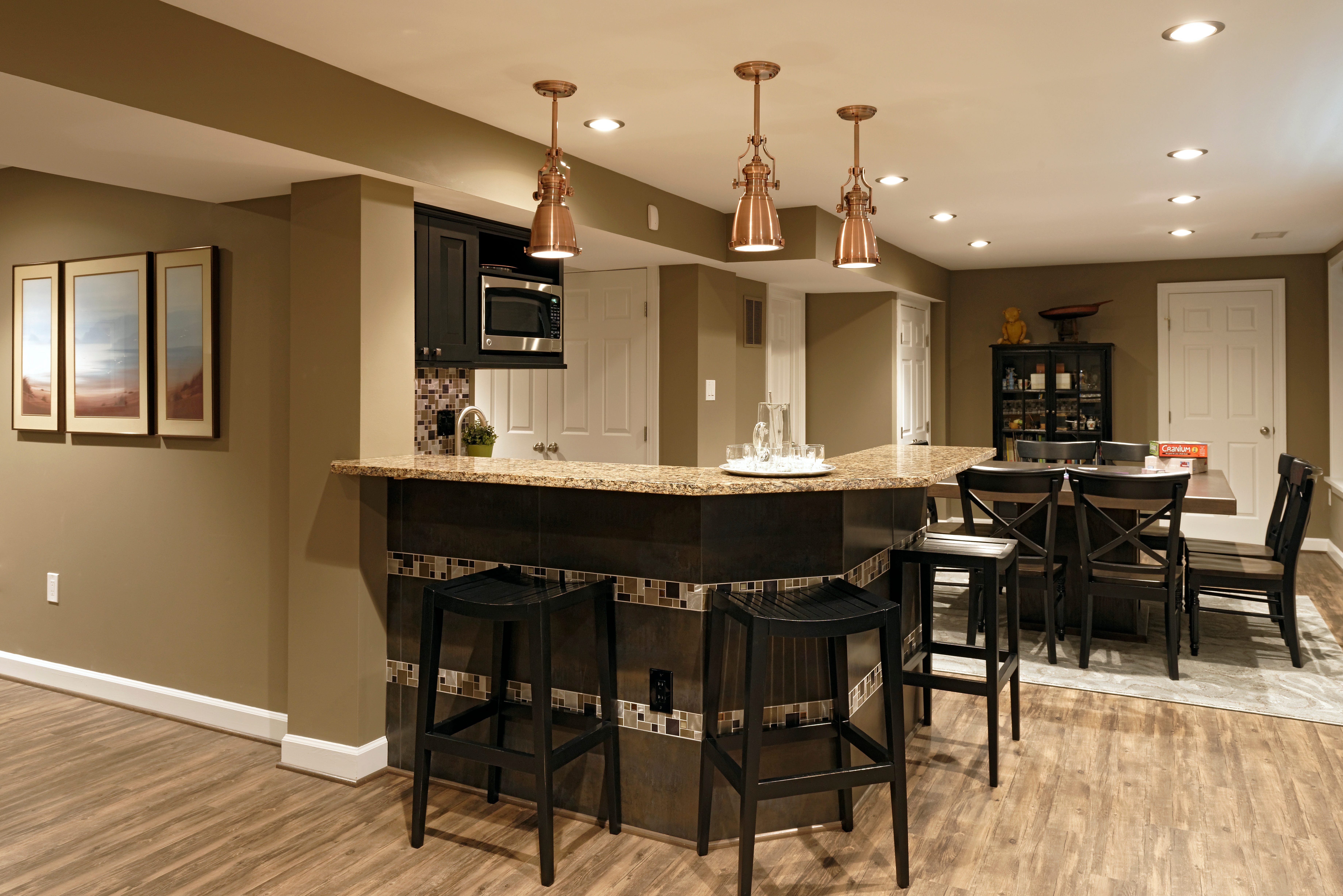
What the Decision chain is not?
It’s not a ten-point questionnaire.
What it is…
Context.
It’s all about you and your life, with your problems and the solutions that fit now and will fit in the future. Each question gets followed by an answer that takes you down the path to the perfect-fit decision to solve your problems.
What’s good for you might be very different then the expert blog, your neighbor, best friend or family member.
Repeat that.
Expert-first thinking almost built the wrong basement--for the wrong reason--in the wrong house.
But the Decision chain closed the clarity gap.
Have you ever hired the right expert at the wrong moment — before you knew what you were actually solving?
Was there a moment when you thought “what am I missing, what do I need to know that I don’t”.
I’d love to hear about it
.